

Plant Reproduction



OBJECTIVE
To observe sexual and asexual plant reproduction by saving seeds (sexual) and cloning succulents (asexual)
ESSENTIAL QUESTIONS
How do plants reproduce sexually?
How do plants reproduce asexually?
How have seeds changed over time?
MATERIALS NEEDED
Asexual reproduction:
- Succulent Type Pictures
- Mini pots
- Potting soil
- Garlic bulb
- Water
- Succulent plants / geraniums / begonias or cuttings donated from nursery
Sexual reproduction:
- Sexual Reproduction Worksheet
- Magnifying glasses
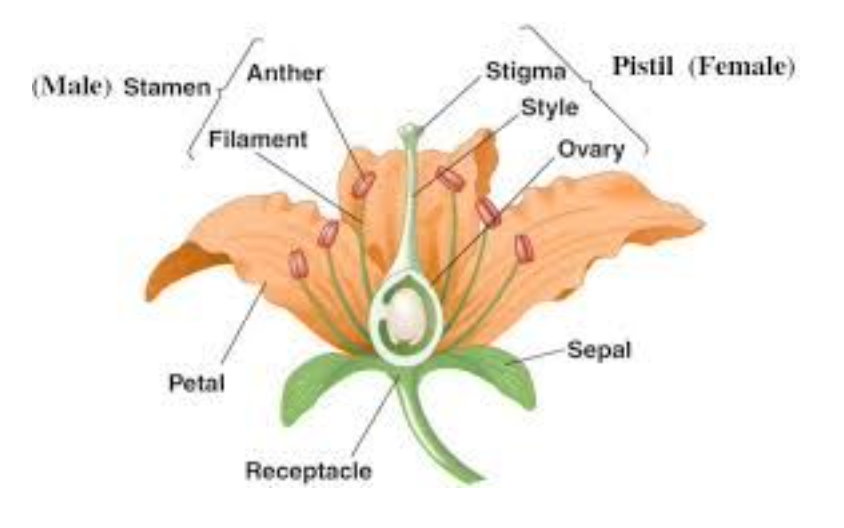
- Flower diagram
- Small paint brushes
- Indoor or outdoor plants that have both flowers and seed pods (I used potted Thai Basil plants)
PROCEDURE
Have the materials set out in separate stations for sexual reproduction and asexual reproduction
Introduction:
How do plants make more of themselves? How does each sunflower work to ensure the continuation of its species? What about garlic, or potatoes?
Plants can reproduce by using two methods: sexual reproduction (combining the genetic material of two different individuals to create offspring) and/or asexual reproduction (offspring is created using only one individual’s genetic material).
For this lesson, your class will split up into two groups to explore the difference between sexual and asexual reproduction in plants.
Sexual Reproduction Station: Finding the parts of a flower
- Sexual reproduction in plants involves flowers and seeds!
- For this station, you will find all the parts of the flower using a magnifying glass
- Using example flowers and a worksheet as a guide, identify both the male (anther and filament) and female (stigma, style, and ovary) components of a flower. The male components produce genetic material in the form of pollen that must be carried (by wind or other pollinators) to the female components of another flower (and deposited in the ovary) in order to produce seeds. If there is time, you can use a small paintbrush to collect pollen from one plant and pollinate another intact flower.
- If there are seed pods on the plant they can also find the dried (not green) pods, and separate the seeds from the pod and place seeds in the seed packet, and plant debris in a compost bucket
Asexual Reproduction Station:
Show your group a garlic bulb – sprouting or not – and discuss how garlic is a form of cloning or asexual reproduction because you are duplicating the genetic information of one clove to make a bulb identical to it. Think back to planting garlic bulbs in the school garden. Do farmers eat their best garlic? No, they plant it! Why is it best to save your best garlic as your planting garlic?
- If you have a strawberry patch, take students out to observe runners. Those are little clones of strawberry plants that will root and become genetic copies of the mother plant.
- Demonstrate taking cuttings from mother succulent plants. Students will:
- Choose the succulent they want to clone. Bring different types with their names and origins, if possible.
- Gently remove a leaf from the stem
- Add soil to a small pot
- Place the cutting on top of the soil and water lightly
- Wait approximately 4-6 weeks for a tiny baby succulent to root (if possible show an example of this)
Gather back together and discuss the pros and cons of each type of reproduction. Can anyone think of examples of plants that can use both forms of reproduction? Why would that be helpful?
FOLLOW UP & EXTENSIONS
Heredity extension: Discuss desirable traits in some example plants. Save seeds of plants with ‘desirable’ traits, and make arguments for saving different traits. What is artificial selection and how have humans changed the inheritance of traits?
Genetically modified organism (GMO) discussion: Why do GMO’s exist? What are some pros of using GMO plants? What about cons?
Taste test different types of the same plant, such as 4 different winter squash varieties, tomatoes, or mushrooms. Compare and discuss beneficial and harmful mutations of plants. How did we end up with the varieties of plants we consume today?
Adaptation and Domestication Game
MA CURRICULUM CONNECTIONS
8.MS-LS3-1
8.MS-LS3-2